
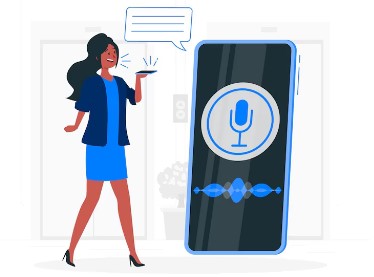
Hearing a machine speak has gone from being a novelty to an everyday experience. The tool that makes this possible is the voice generator, a technology that transforms written words into natural-sounding speech. At first glance, it might seem like a simple trick, but the reality is more complex and far more interesting.
The charm of this technology lies in how ordinary it feels. Whether it is guiding someone through traffic, reading a story aloud, or providing assistance to those who cannot use their own voices, the digital sound slips naturally into daily routines. What once felt futuristic now feels familiar, even comforting.
From Mechanical Speech to Human Flow
In its earliest days, computer-generated speech was stiff and metallic. Sentences were delivered with no rhythm, no pauses, and no variation, making it clear you were listening to a machine. Over time, the voice generator developed into something much more natural. By mimicking the way humans stress words and shape sentences, synthetic voices became easier to follow and far more pleasant to hear.
Modern systems now add subtle breaths, rising and falling tones, and even a touch of emotion. The result is a voice that feels less like a program and more like a companion. This shift shows how design has moved from focusing on technical accuracy to aiming for human connection.
Everyday Moments Made Easier
Most people use this kind of technology without giving it a second thought. It is present in the navigation systems that guide us through unfamiliar streets, in the digital assistants that read out reminders, and in the audiobooks that make long commutes more enjoyable. A voice generator works quietly in the background, yet it changes the way information is experienced.
By making text audible, it brings flexibility into daily life. Someone can learn on the go, follow a recipe without looking at a screen, or hear a message while keeping their hands free. In each case, the voice is not the focus—it is the bridge that makes interaction smoother and more natural.
Beyond Convenience: A Tool for Expression
For many, synthetic voices are not just helpful, they are essential. Individuals who cannot rely on their own speech use a voice generator to share thoughts and feelings. This shift turns what could be silence into conversation, allowing a person to express identity and connect with others more freely.
The creative world has also embraced this tool. Musicians experiment with artificial voices as instruments, giving songs new textures. Writers and filmmakers use them for narration or to bring characters to life that would otherwise remain silent. The technology is no longer limited to practical tasks; it has become a medium for artistic expression.
Looking Ahead
The future of synthetic voices will likely focus less on sounding flawless and more on sounding relatable. A voice generator does not need to be perfect to succeed—it needs to be believable, warm, and engaging. As the technology matures, it will continue to blend into everyday life, so ordinary that most people will forget it is there at all.
What started as a mechanical curiosity is now an invisible partner in how people learn, work, and create. That quiet presence is a reminder that the most powerful technologies are often the ones that feel completely natural.